
The Truth About "Eating For Your Hormones" (What Actually Works)
If you've spent any time on TikTok or Instagram, you've probably seen endless advice about how to "eat for your hormones."
One influencer says you need to eat only according to your menstrual cycle.
Another tells you to avoid fruit because it "spikes insulin."
Someone else claims seed cycling will magically balance your hormones.
And somehow, everyone seems to have a completely different opinion.
It's no wonder women are confused.

As a Functional Medicine Specialist and PharmD, I work with women every day who have irregular periods, PCOS, acne, fatigue, infertility, thyroid issues, and hormone imbalances.
Many of them have already tried the trendy hormone hacks they found online—and most are frustrated because nothing actually changed.
The truth is that hormone health is much less complicated than social media makes it seem.
Let's talk about what actually works.
First: Hormones Need Nutrients, Not Trends
Hormones are chemical messengers.
Your body literally builds hormones from nutrients you eat.
When women chronically under-eat, skip meals, eliminate entire food groups, or constantly jump between restrictive diets, hormone production often suffers.
Before we talk about supplements, detoxes, or fancy protocols, we need to make sure your body is getting the raw materials it needs.
The biggest nutritional factors I focus on with clients are:
Protein
Carbohydrates
Healthy fats
Consistent meal timing
Blood sugar regulation
These basics aren't sexy, but they're often the missing piece.
Why Protein Matters More Than Most Women Realize
One of the most common things I see in practice is women drastically under-eating protein.
A breakfast of coffee and collagen isn't enough.
Neither is avocado toast by itself.
Protein provides amino acids that support neurotransmitter production, blood sugar balance, muscle mass, metabolism, and hormone signaling.
When protein intake is too low, many women experience:
Increased cravings
Energy crashes
Poor blood sugar control
Hair shedding
Slower metabolism
Difficulty building muscle
Increased stress hormone output
Most women feel significantly better when they prioritize protein at every meal.
My general recommendation is:
Aim for 25-40 grams of protein per meal.
Examples:
Eggs + chicken sausage + fruit
Greek yogurt with berries and chia seeds
Protein smoothie with protein powder and nut butter
Salmon with rice and vegetables
Ground turkey bowls with potatoes
Simple works.
The Hormone-Neglecting Fear of Carbohydrates
If I could erase one piece of nutrition misinformation from the internet, it would be the idea that every woman needs to eat low-carb.
Your hormones need carbohydrates.
Carbohydrates help support:
Thyroid function
Progesterone production
Ovulation
Sleep quality
Exercise recovery
Stress resilience
This is especially true for women experiencing:
Amenorrhea (missing periods)
Hypothalamic dysfunction
Chronic stress
Overtraining
Poor sleep
Years ago, when I was struggling with my own health and amenorrhea, I tried many of the "hormone hacks" promoted online.
None of them restored my cycle.

What ultimately helped was supporting my body with adequate nutrition, reducing stress, and addressing the underlying drivers.
Not cutting out more foods.
Not eliminating carbs.
Not obsessing over hormone trends.
Many women actually need more carbohydrates—not less.
Some of my favorite carbohydrate sources include:
Potatoes
Sweet potatoes
Fruit
White rice
Sourdough bread
Oats
Quinoa
Healthy Fats Are Essential For Hormone Production
Hormones such as estrogen and progesterone require adequate dietary fat.
Chronically low-fat diets can negatively impact hormone production and reproductive health.

Focus on foods such as:
Avocados
Olive oil
Nuts
Seeds
Fatty fish
Eggs
Notice I said adequate fat—not excessive fat.
Balance is key.
Meal Timing Matters More Than You Think
One of the biggest mistakes I see is women waiting until noon or later to eat.
Many are running on:
Coffee
Stress
Cortisol
Then wondering why they feel anxious, exhausted, and crave sugar by evening.
While every person is different, most women benefit from:
Eating within 1-2 hours of waking
Including protein at breakfast
Eating balanced meals consistently throughout the day
Avoiding long periods of accidental fasting
Your body feels safest when it knows fuel is consistently available.
And hormones love safety.
Let's Talk About Seed Cycling
Seed cycling has exploded in popularity over the last few years.
The theory is that specific seeds support different hormones during different phases of the menstrual cycle.
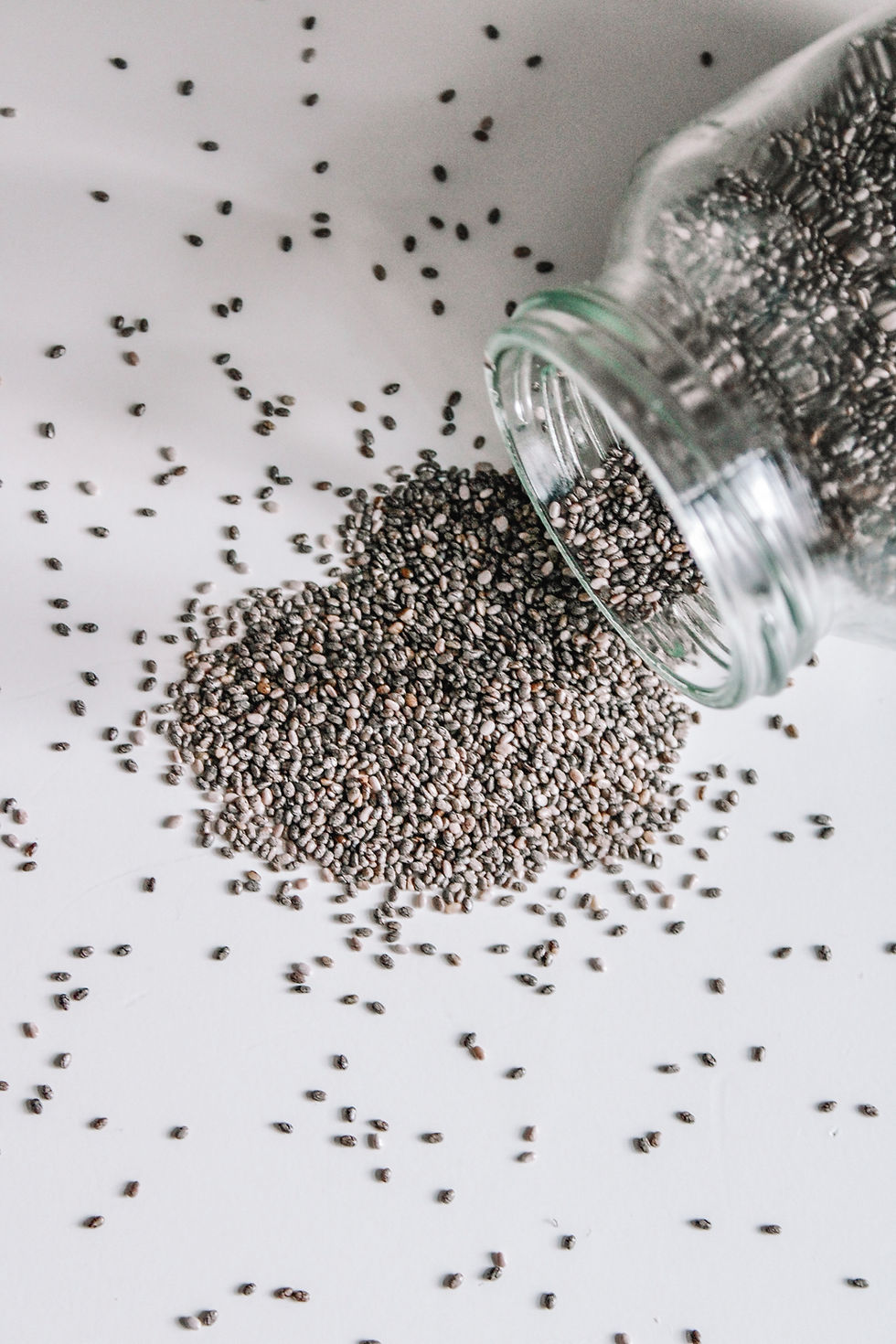
Typically:
Follicular Phase
Flax seeds
Pumpkin seeds
Luteal Phase
Sesame seeds
Sunflower seeds
The claim is that rotating these seeds can naturally balance estrogen and progesterone.
Here's my honest take.
There is currently very little high-quality research showing that seed cycling reliably balances hormones, restores ovulation, treats PCOS, or regulates menstrual cycles.
Could seeds be healthy?
Absolutely.
They contain fiber, minerals, and healthy fats.
But that's very different from saying they can correct a hormone imbalance.
I personally tried seed cycling when I was dealing with amenorrhea.
It did not restore my cycle.
And in clinical practice, I've never seen seed cycling be the reason a woman's hormones improved.
What I have seen improve hormones?
Eating enough calories
Adequate protein intake
Balanced carbohydrates
Improved blood sugar control
Better sleep
Stress reduction
Addressing gut dysfunction
Supporting thyroid health
Identifying nutrient deficiencies
Investigating root causes through functional testing when appropriate
Seed cycling isn't harmful.
But it's often treated as the solution when it's really just a small nutrition habit.
If your hormones are significantly out of balance, you need to look deeper.
What "Eating For Your Hormones" Actually Looks Like

Instead of obsessing over cycle syncing trends, focus on building meals that support stable blood sugar and provide the nutrients your body needs.
Here are a few examples:
Breakfast
Eggs
Chicken sausage
Fruit
Sourdough toast
Lunch
Grilled chicken
Rice or potatoes
Large serving of vegetables
Olive oil
Snack
Greek yogurt
Berries
Nuts
Dinner
Salmon
Sweet potato
Roasted vegetables
Simple.
Balanced.
Sustainable.
The Bottom Line
Most women don't need another hormone hack.
They need a personalized strategy based on their symptoms, history, labs, and root causes.
Hormone health isn't about eating flax seeds on Tuesday and sunflower seeds on Thursday.
It's about giving your body the nutrients and support it needs to function properly.
If you've been trying all the things and still struggle with fatigue, irregular periods, acne, PMS, bloating, infertility, PCOS, thyroid symptoms, or unexplained hormone issues, there is usually a deeper reason.
And that's exactly what I help my clients uncover.
Work With Me

As a PharmD and Certified Functional Medicine Specialist, I help women identify and address the root causes of hormone imbalances instead of masking symptoms with temporary fixes.
My approach combines:
Comprehensive health history review
Functional lab analysis
GI Map stool testing
DUTCH hormone testing when appropriate
Bloodwork interpretation
Personalized nutrition strategies
Targeted supplement protocols
Lifestyle recommendations based on your unique needs
Every woman is different.
What works for your favorite influencer may not work for you.
That's why I focus on creating individualized plans based on your body—not internet trends.
If you're ready to finally understand what's driving your symptoms and create a plan that actually works, I'd love to help.
Learn more and apply to work with me here!


Comments